Combining pioneering scientific discovery with over two decades of international industry experience to accelerate cell-free therapeutic breakthroughs.

Legacinetics was founded by Professor Rajneesh Verma PhD, and James Scuderi, who together lead a team of highly experienced scientists, technicians and regenerative health practitioners from across the world.
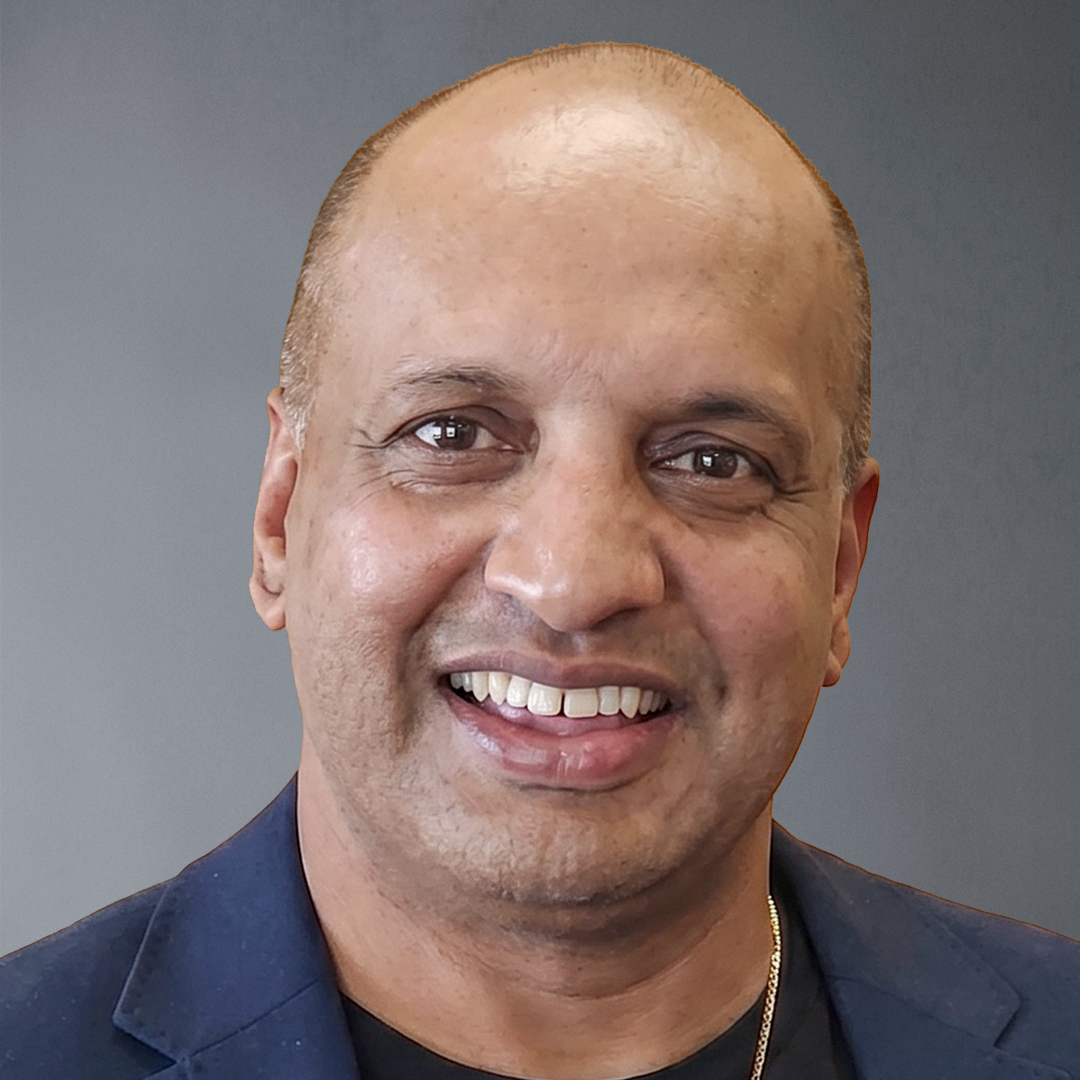
Professor Rajneesh Verma is a globally recognised reproductive biotechnologist and stem cell scientist. He earned his PhD from Monash University (Australia) and was selected to collaborate directly with Nobel Laureate Prof. Shinya Yamanaka in 2012 at Kyoto University. His work with Nobel Laureate Yamanaka was centred on on iPSC development, working as a lead Researcher on the Sickle Cell Anaemia project, and related fields of advanced stem-cell therapies. He has held leadership roles at Gyeongsang National University (Korea), Mahidol University (Thailand), and University of Oslo (Norway), where he continued the development and refinement of advanced differentiation protocols, specialising in exosome and extra-cellular vesicle therapy.
Professor Verma serves as Director and Chief Scientific Director and Co-Founder of GLOSTA Sciences Management (UAE), and consults globally to leading clinicians and critical care specialists on the application of advanced stem-cell therapies and IPSC derived scientific advancements. He has developed multiple IP assets that underpin Legacinetics’ autologous and allogeneic exosome platforms.
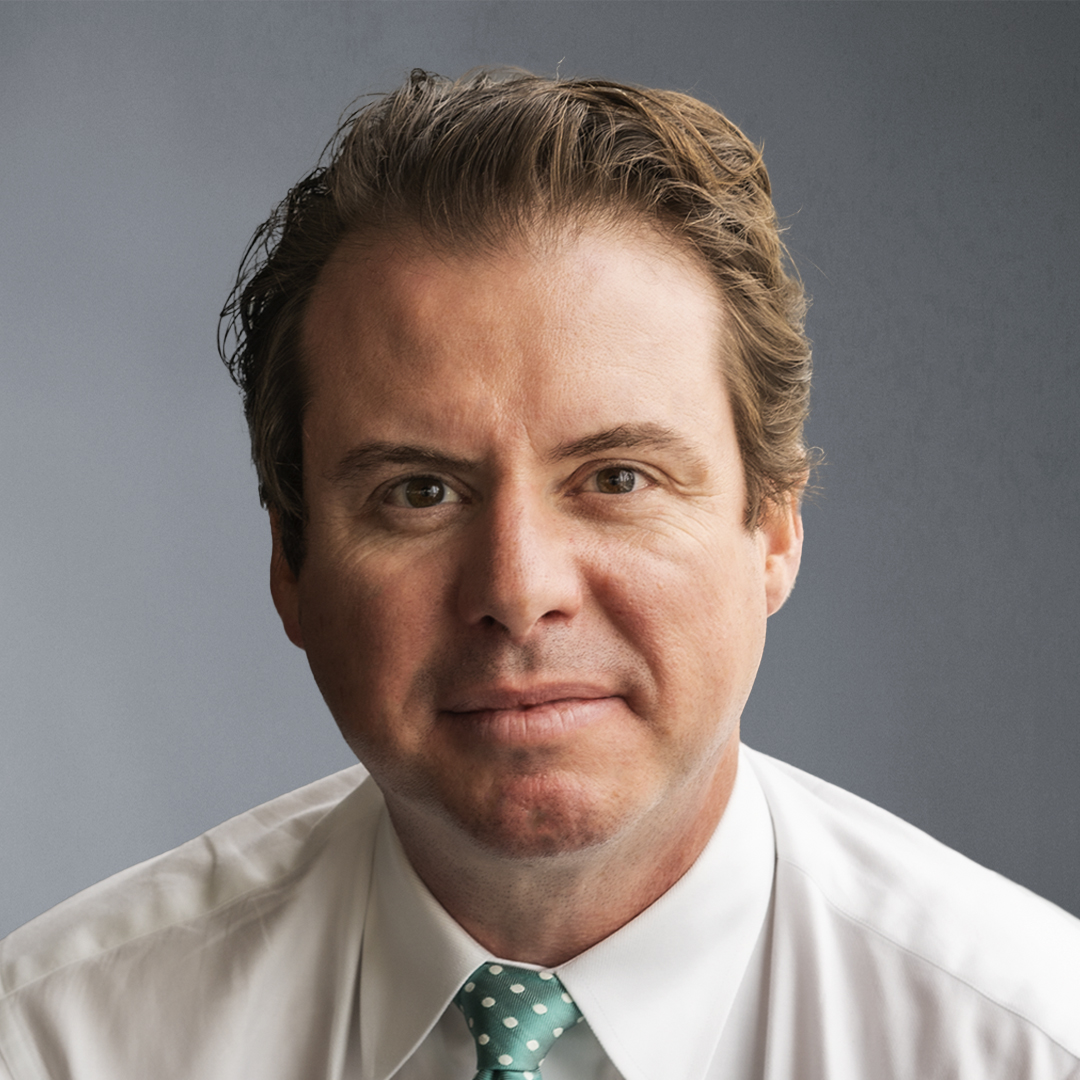
James Scuderi brings over 20 years of global industry experience and oversees commercial strategy, regulatory structuring, and capital deployment.
With directorships across industries including life-sciences, quantitative finance and project development across Australia, China and the UAE, James benefits from extensive experience in building global teams across complex projects and industries. He holds qualifications and formal training in accounting, finance, stem-cell science and genetics from institutions including Harvard and Stanford Universities and is a Level 1 & Level 2 ASX (Australian Stock Exchange) Derivatives Advisor.
James ensures Legacinetics executes with speed, compliance, and commercial rigour. As Co-Founder of Legacinetics, James brings his wealth of experience, global networks and deep passion for scientific advancement to the fore, building world-leading teams to achieve significant scientific discovery and collaboration.
Bringing together leading minds from around the world, our advisory team guides Legacinetics with deep technical expertise, ensuring our innovation is always backed by scientific integrity & precision.
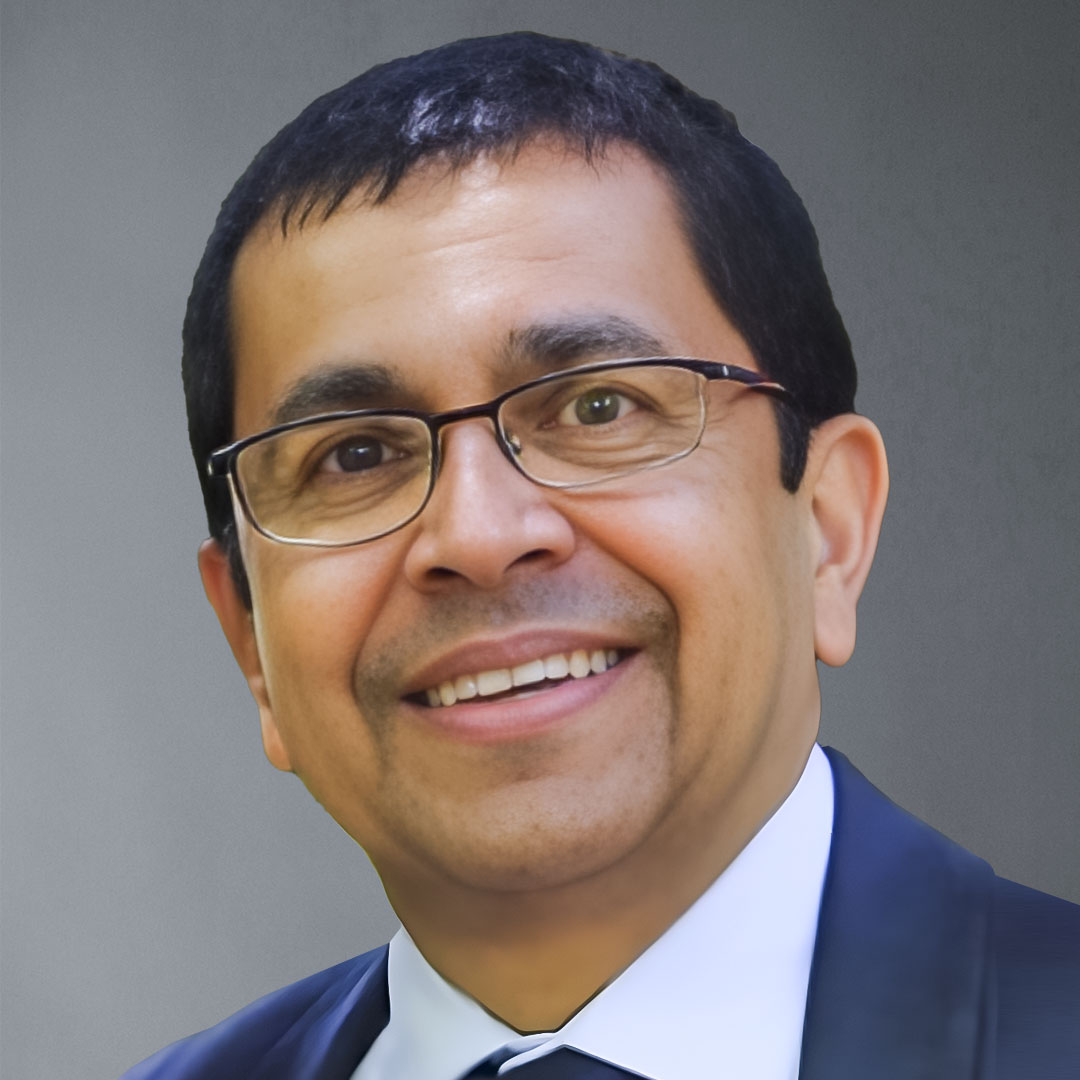
Professor Paul Verma is Program Leader at the South AustralianResearch & Development Institute (SARDI), an Adjunct Professorat Monash University, and an Affiliate Professor at the Universityof Adelaide. With a PhD from the University of Adelaide, he is areproductive biologist with over 30 years of experience, specialisingin advanced reproductive technologies and research translationfrom humans to livestock, IPSC development and advanced cellsciences.
Throughout his career, he has initiated and led research programsin both corporate and academic settings, notably at Monash, wherehe became one of the youngest professors in 2008, with his teamreporting the first findings on livestock and endangered felidiPSCs. He currently leads livestock research at SARDI, includingthe development of world-renowned Alzheimer’s Disease models, and has over 100 publications, holds several patents, and has beenfeatured in Nature.
He has edited three books for Springer Nature, New York, focusingon biotechniques to address livestock industry challenges. He collaborates internationally and received the Hind Rattan Award forhis research contributions.
Dr. James F. Gusella was born and raised in Ottawa, Canada and graduated in 1974 from the University of Ottawa with a B.Sc. in Honours Biology. He continued his education at the University of Toronto, where he earned a M.Sc. degree in Medical Biophysics in 1976 and at the Massachusetts Institute of Technology, where he received his Ph.D. in Biology in 1980. Foregoing the usual period of postdoctoral training, he moved directly to establishing his own independent laboratory at the Massachusetts General Hospital and has risen to the rank of Bullard Professor of Neurogenetics in the Department of Genetics at Harvard Medical School.
He pioneered the use of DNA sequence polymorphisms as genetic markers, demonstrating the feasibility of this new approach by mapping the Huntington’s disease (HD) gene to chromosome 4. This discovery set off a torrent of similar studies aimed at identifying genes by their chromosomal position and provided a major impetus for the development of the Human Genome Project. Dr. Gusella has dedicated his career to the investigation of human neurodegenerative and neurodevelopmental disorders, with a continuing major focus on HD.
Through this experience, he developed a vision of genetic research in human disease as a cycle that begins with patients and their families and uses a series of genetic strategies to understand the mechanism of disease and ultimately to delivering benefit back to patients and families through improved diagnosis and prevention, better disease management and effective, rational therapies. His work has been honored with numerous awards, including the William Allan Award of the American Society for Human Genetics.
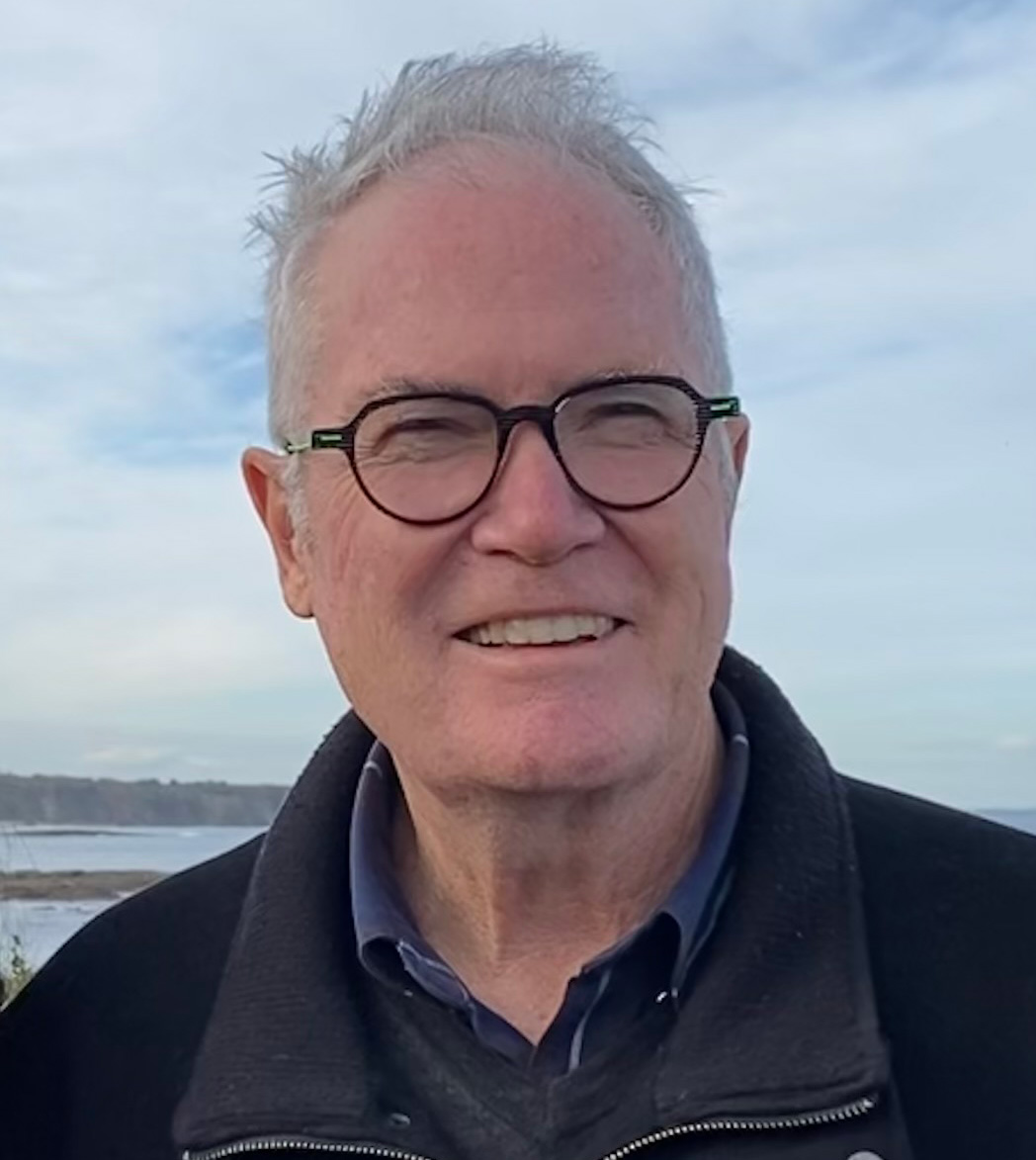
Dr. Mann is an internationally renowned Geneticist, having served as Senior Professor at Monash University in the School of Biomedical Sciences. He performs world-leading research on mitochondrial replacement therapy in the Biomedicine Discovery Institute, collaborating with scientific leaders globally on mitochondrial transfer, genetic modeling and epigenetics.
After completing his PhD at University College London, Dr. Mann undertook several roles as Senior Research Fellow, Director and Professor at globally renowned institutions. Dr. Mann currently performs research on mitochondrial replacement therapy at the Biomedicine Discovery Institute, Monash University. He previously led laboratories researching the role of epigenetics in mammalian germ cell development at the City of Hope National Medical Center in Los Angeles, The University of Melbourne, and the Murdoch Children’s Research Institute, Melbourne.
His research highlights include contributions to the establishment of the field of genomic imprinting, the first birth of live mammalian young by sperm microinjection, and the first derivation of mammalian and rogenetic embryonic stem cell lines. He has directed institutional facilities for making preclinical geneticmodels of disease, and for several years instructed the ‘Molecular Embryology of the Mouse Course’ at the Cold Spring Harbor Laboratory, New York. Dr. Mann’s extensive work in highly specialised fields has seen him contribute to more than 100 research papers, and his deep understanding and ongoing work in the field of mitochondrial function places him at the forefront of the Legacinetics pathway to treating Alzheimer’s Disease and other disorders associated with mitochondrial dysfunction.
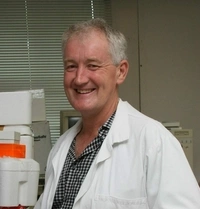
Professor Russell G. Snell is a Professor in the School of Biological Sciences and a member of the Centre for Brain Research at the University of Auckland, New Zealand. Born in Feilding, New Zealand, and raised in South Otago, he studied Physics at the University of Otago before completing a Ph.D. in Genetics at the University of Wales College of Medicine (Cardiff) in 1993. He returned to New Zealand and has built a distinguished career in human genetics and neurogenetics at the University of Auckland.
Professor Snell is a pioneering geneticist best known for his contributions to the international team that identified the Huntington’s disease gene (HTT) in 1993. His research has advanced the understanding of several neurodegenerative and neurodevelopmental disorders, including Alzheimer’s disease, Huntington’s disease, autism, and related conditions. He has developed innovative large-animal (sheep) models for Huntington’s disease, Fragile X, and Alzheimer’s disease to study disease mechanisms and test potential therapies, bridging the gap between small-animal models and human applications.
His achievements have been recognised through leadership roles, international collaborations, and funding from organisations such as Cure Alzheimer’s Fund and Cure Kids. Professor Snell’s expertise in translating genetic discoveries into disease models and therapeutic strategies makes him one of the world’s leading specialists in the field of biotech initiatives focused on cell therapies for Alzheimer’s disease, and deeper scientific discoveries focused on neurodegenerative disease and cognitive function.
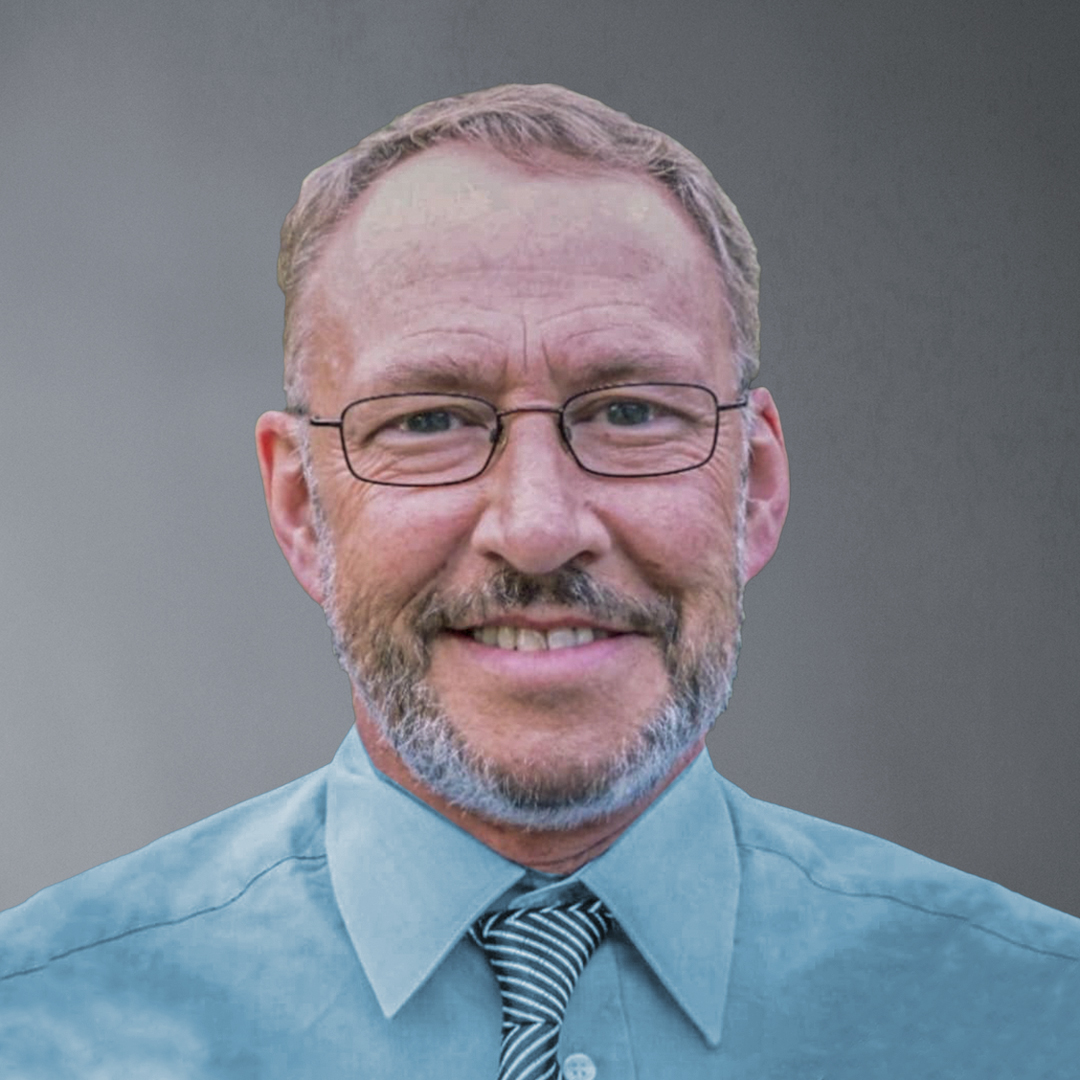
Professor Bill Ritchie (Dr. William A. Ritchie) is a distinguished Scottish embryologist renowned for his pivotalhands-on role in creating Dolly the Sheep, the first mammal cloned from an adult somatic cell. He began his career in 1972 as a practical agricultural worker in Scotland before earning an Honours degree from the Open University. He later obtained his PhD by publication from a Hungarian University. He advanced throughroles at the Roslin Institute, becoming a skilled embryologist specialising in micromanipulation and nuclear transfer techniques.
Professor Ritchie performed the critical nuclear transfer procedures that produced Dolly in 1996, as well as earlier cloned lambs Megan and Morag (1995) from cultured cells, and subsequent genetically modified clones. His expertise enabled breakthroughs in mammalian cloning and transgenic animal production. Post Roslin, he contributed to the first cloned camel in Dubai and helped establish cloning programmes in Africa, including the first cloned native cattle in Kenya.
His achievements have been recognised with honours including election as a Fellow of the Royal Society of Biology (FRSB). Professor Ritchie’s pioneering work in reproductive biotechnology and animal cloning continues to influence regenerative medicine, stem cell research, and therapeutic applications, positioning him as one of the world’s most consequential contributors to scientific advisory efforts in cloning and celltherapy.
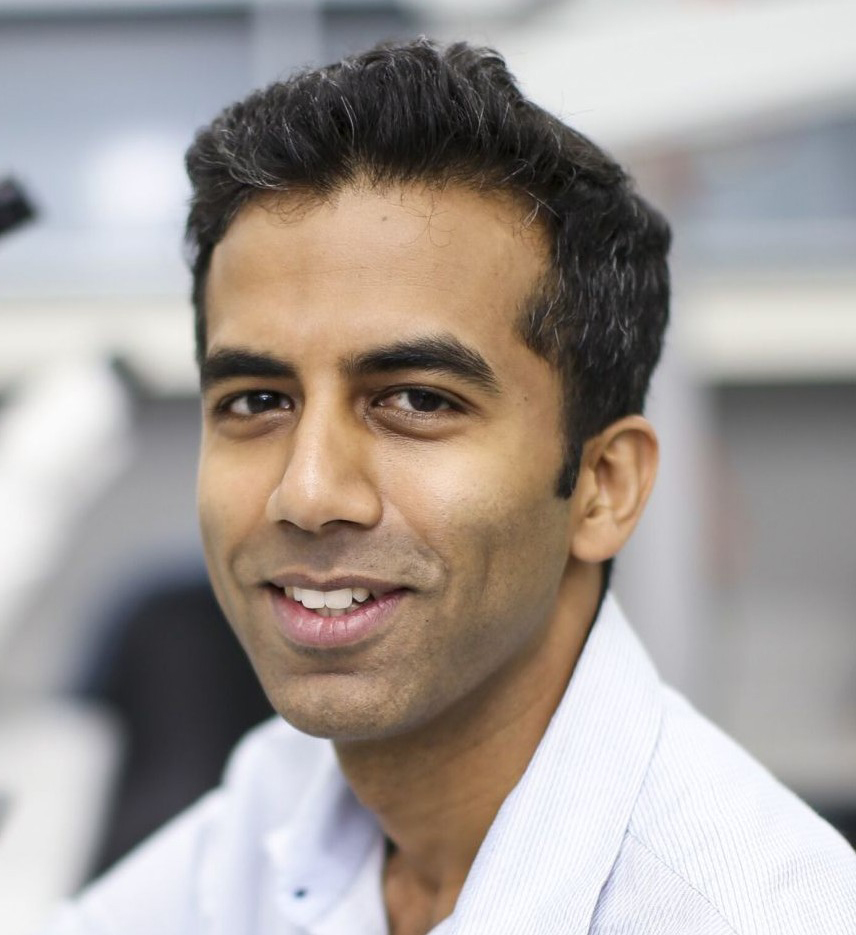
Milan Fernando is a highly accomplished research scientist who first started working with human stem cells in 2006 and has over 14 years of experience with induced pluripotent stem cell (iPSC) technologies, regenerative medicine and gene editing, developed through successive appointments at leading institutions in the United Kingdom and Australia.
Before joining Legacinetics, he most recently worked in the Stem Cell and Organoid Facility at the Children’s Medical Research Institute under the leadership of Dr Anai Gonzalez-Cordero. His work included generating patient derived iPSCs and organoids for disease modelling and treatment projects for prominent research groups in Sydney. Previously, he undertook similar work in the laboratory of Professor Robin Ali at the Institute of Ophthalmology, University College London — a world-leading centre for gene therapy and regenerative approaches to inherited retinal disease. Prior to that, Milan held a position in Professor Ludovic Vallier’s IPS Core Facility at the Centre for Regenerative Medicine, University of Cambridge, specialising in IPSC generation and developed a GMP protocol to differentiate stem cells to liver cells for regenerative applications.
Milan’s expertise encompasses CRISPR-Cas9 gene editing within the broader iPSC and regenerative medicine workflow, and he has extensive experience across a broad range of reprogramming and differentiation protocols. The patient derived organoids he has generated have been crucial to many clinically relevant studies and he has contributed to multiple publications in high-impact journals including Cell Reports and Stem Cell Reports. His extensive experience in IPSC technology and real-world cell-biology applications places him at the forefront of the work being undertaken at the Legacinetics laboratory in Melbourne, Australia in his role as Senior Research Scientist.