Legacinetics is developing breakthrough cell-derived treatments for Alzheimers — A novel, patent-protected iPSC-derived, gene-edited MSC-exosome platform — engineered to increase allogenicity, cross the blood-brain barrier and address the metabolic roots of neurodegeneration and other related indications.
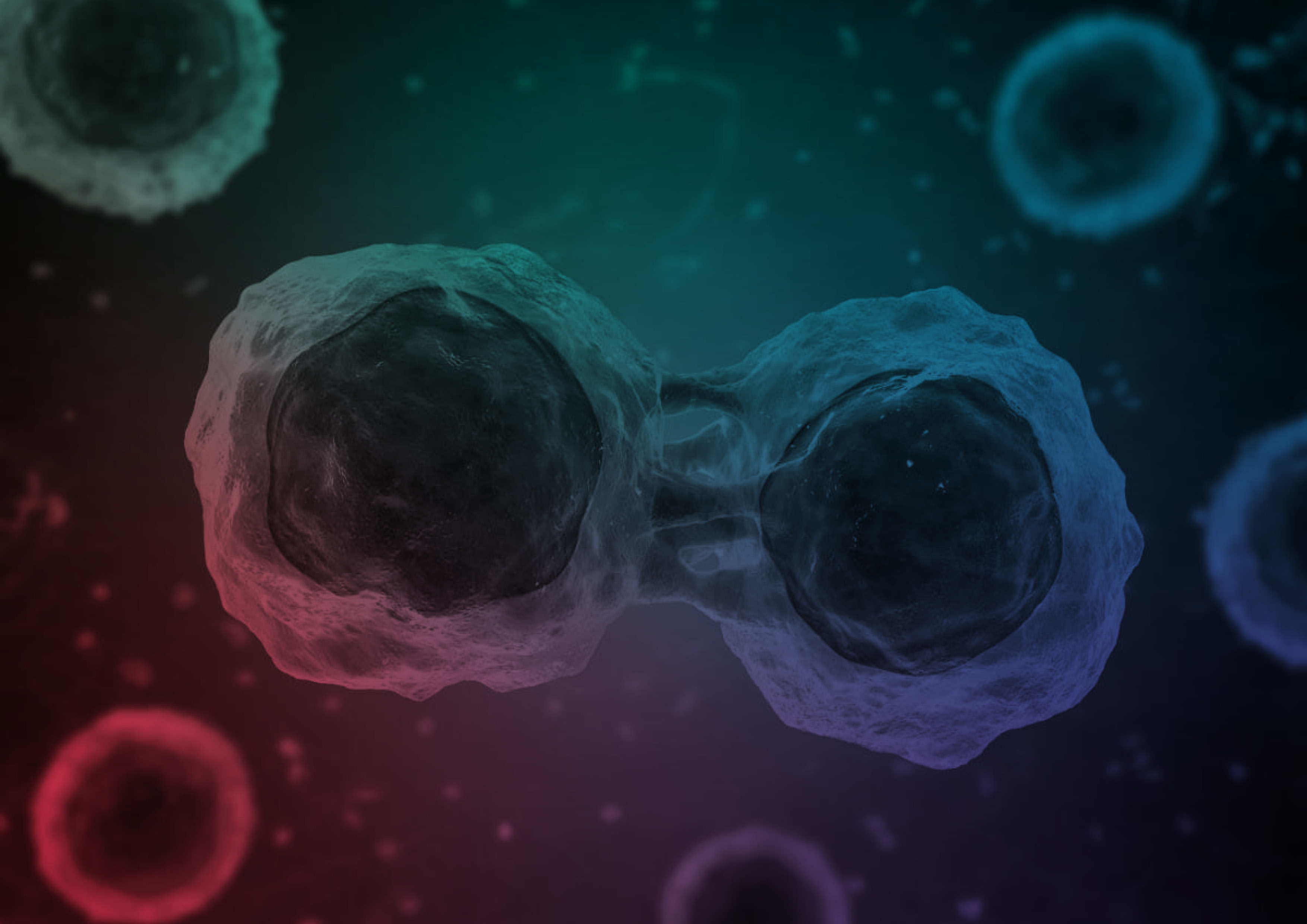
Our platform has been engineered through a deliberate five-step approach to address the underlying drivers of Alzheimer's disease. Rather than targeting the brain alone, the therapy focuses on the metabolic dysfunction and neuroinflammation that contribute to disease progression. Using advanced exosome technology, the platform offers a safe, cell-free therapeutic solution with no risk of immune rejection, the ability to cross the blood–brain barrier, scalable off-the-shelf donor cell production, and enhanced stability for efficient storage, transport and clinical use.
Starting lines carry typical genes plus a rare AD-protective allele held by just 7% of people —superior amyloid clearance, neuronal support & longevity, built in from the start.
Cells are reprogrammed to embryonic state via protocols similar to and including the Nobel Prize-winning (2012) iPSC process —the foundation of our technology.
Edited cells become mesenchymal stem cells —the body's orchestrators of repair, with paracrine & immune-modulating power.
Starting lines carry typical genes plus a rare AD-protective allele held by just 7% of people —superior amyloid clearance, neuronal support & longevity, built in from the start.
A cell-free therapeutic —near-zero rejection, highly concentrated, delivered IV, intrathecal or intranasal.
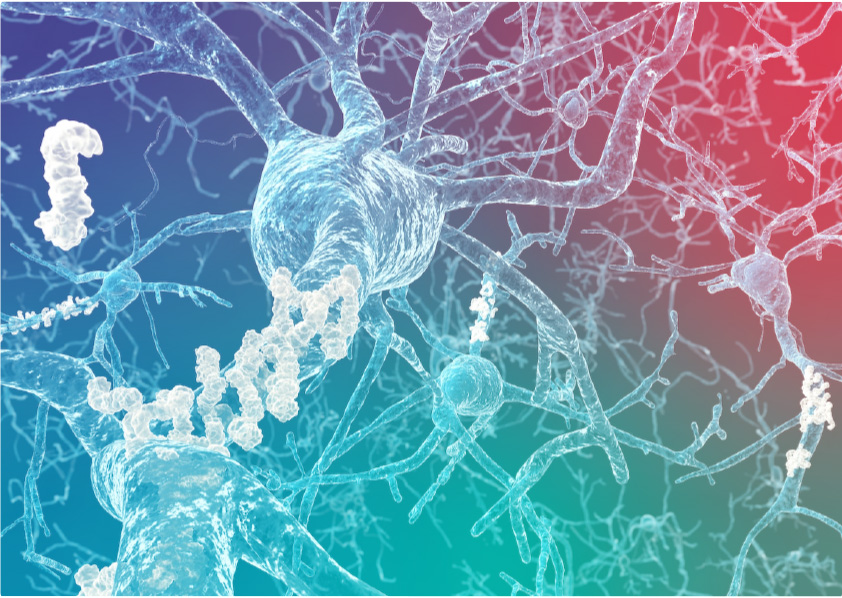
Mesenchymal stem cell (MSC) exosomes are small extracellular vesicles (30–150 nm) secreted by MSCs, including induced MSCs (iMSCs) derived from induced pluripotent stem cells (iPSCs).
These exosomes carry bioactive molecules such as proteins, lipids, mRNAs, microRNAs (miRNAs), and other non-coding RNAs, mediating intercellular communication and exerting therapeutic effects similar to or exceeding those of their parent MSCs.
MSC exosomes, particularly those from iMSCs, are a promising therapeutic platform due to their safety, scalability, stability, and potent paracrine effects. Their benefits—non-cellular nature, low immunogenicity, and customizable cargo—enable applications in regenerative medicine, immunomodulation, neurology, oncology, drug delivery, and diagnostics.
Ongoing clinical trials (e.g., for GvHD, ARDS, and wound healing) and preclinical advancements (e.g., engineered exosomes for cancer) highlight their translational potential. As standardization and regulatory frameworks evolve, MSC exosomes are poised to become a cornerstone of next-generation therapies.
The derivation of induced mesenchymal stem cells (iMSCs) from induced pluripotent stem cells (iPSCs) offers significant benefits and has spurred a range of applications, many of which are actively being explored in research and early-stage clinical trials.
iPSC-to-iMSC technology represents a transformative approach to generating scalable, standardized, and rejuvenated mesenchymal stem cells for regenerative medicine, disease modeling, and drug discovery.
While significant progress has been made in reprogramming and differentiation protocols, challenges like heterogeneity, differentiation efficiency, and clinical translation remain.
The Legacinetics approach, targeting the extraction and application of IMSC exosomes addresses several of these challenges and provides a platform for major advancements, with incredibly positive safety profiles.
Supports regenerative medicine, disease modeling, and drug discovery
Incorporates advancements in extracellular vesicles and exosomes for enhanced therapeutic applications
Utilises iMSC exosomes to improve safety profiles and drive advancements
Enables the production of scalable, standardised & rejuvenated mesenchymal stem cells

Building on existing autologous IP and extensive real-world patient outcomes across a range of related indications, combined with a pathway to provisional patent, the company is creating both highly personalised treatments and scalable ‘off-the-shelf’ solutions to address the Total Addressable Markets exceeding USD$250Billion.
This unique approach harnesses the potent paracrine and immunomodulatory power of exosomes —overcoming the safety, scalability, and manufacturing limitations of traditional cell therapies — while offering superior blood-brain-barrier penetration and targeted regeneration.
Targeted at AD, neuroinflammation, and metabolic disease with platform expansion into related indications.IP & Capital Moat, with the ability to gather off-target indications during initial clinical and pre-clinical work. Significant potential to expand the application of the therapy to other market TAM segments.


Projected Growth of Alzheimer’s Cases in the US
Whether you're interested in our services, seeking partnerships, or simply want to learn more about what we do, our team is here to assist! Contact us to discuss how you can benefit from partnering with Legacinetics.